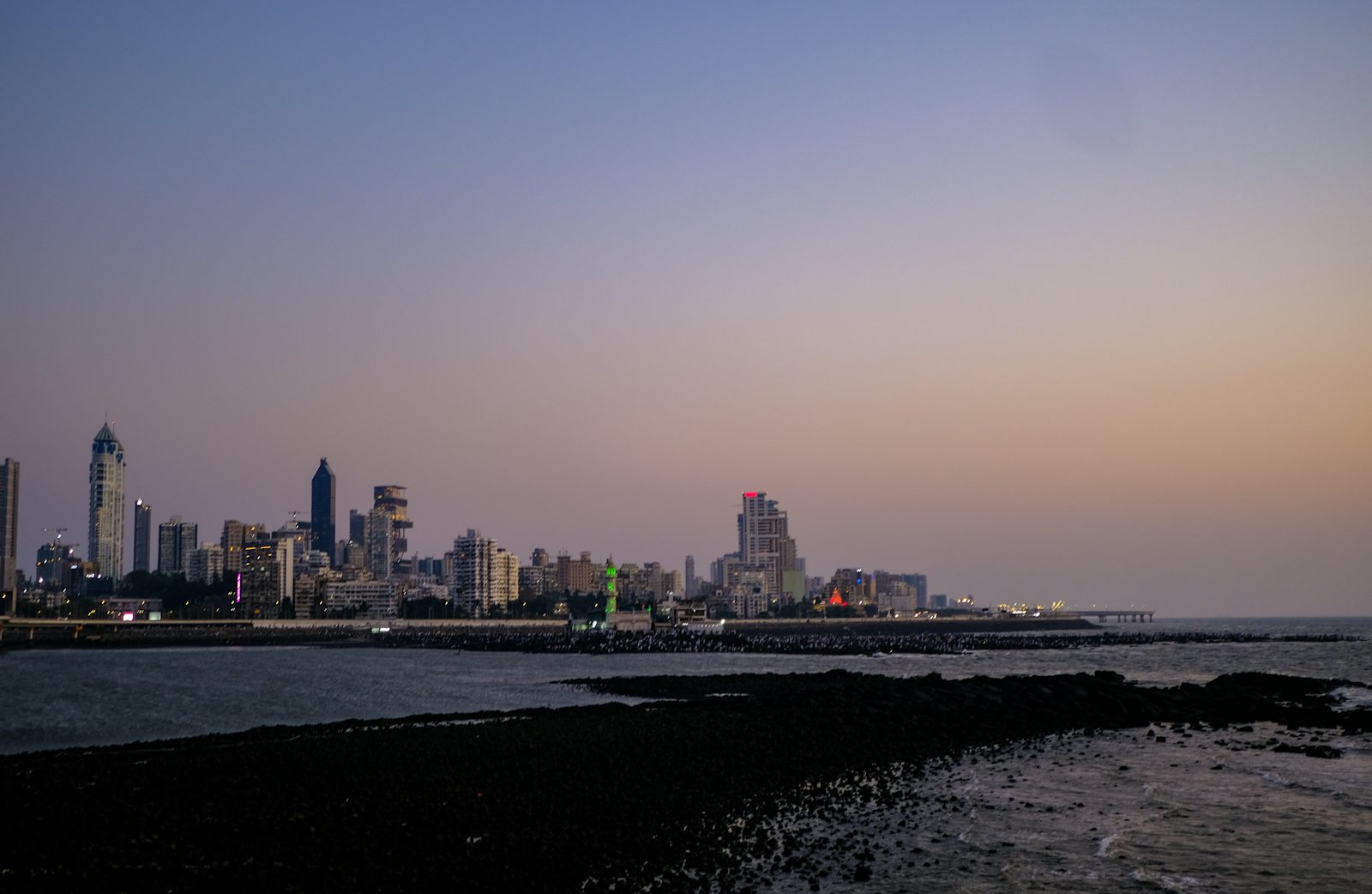
Real Estate Advisory in Mumbai
Independent, documentation-first guidance for Mumbai's high-value apartment, redevelopment and commercial markets — helping serious buyers, investors and NRIs shortlist and verify before committing.
- Documentation-first guidance
- No brokerage, no transaction interest
- Society & redevelopment literacy
- Carpet-area and title clarity focus
Understanding the Mumbai market
Mumbai is India's most space-constrained and document-intensive residential market, and that shapes how a careful buyer should approach it. Land is scarce, so most homes are apartments in cooperative housing societies rather than independent plots, and a large share of older stock now sits in some stage of redevelopment. This makes Mumbai different from most Indian cities: the building's society structure, its conveyance status, its age and structural condition, and any redevelopment agreement can matter as much as the flat itself. Demand is broad and genuine — end-users seeking proximity to work, upgraders moving from older buildings into newer towers, compact-home buyers near transit, commercial and office seekers, and NRIs with family ties to the city — but supply is uneven and pricing varies sharply street by street, so figures should always be confirmed directly and treated as indicative only. Who does Mumbai suit? It can suit end-users who value location, connectivity and long-term liveability over headline size, and buyers who are comfortable doing thorough due diligence. It is less forgiving for those chasing quick, assured gains, because entry costs, stamp duty, registration, ongoing maintenance and sinking-fund dues are all material here. The recurring caution across micro-markets is documentation complexity: society NOC and share-transfer formalities, deemed conveyance where the builder never conveyed land to the society, old-building age and repair liability, parking rights that are often informal, and carpet-area clarity under RERA, which replaced the older inflated super-area practice. Blue Vistas is an advisory and property-discovery service, not a developer, broker or party to any transaction. We help you frame what you actually need, shortlist micro-markets and property types that fit, and build a verification checklist — society and conveyance status, title chain, encumbrance, OC/CC, redevelopment terms and dues — so your final decision rests on documents and independent legal review, not on sales narratives. Availability and pricing change frequently and must be confirmed at source.
Who this market may suit
The profiles Mumbai can be considered for. The right choice still depends on your budget, purpose, holding period and documentation comfort.
End-use family buyers
Mumbai's connectivity, schools and workplace proximity can suit families prioritising daily liveability. The right micro-market depends on commute patterns and budget, and exact carpet area should be verified before comparing options.
Apartment upgraders
Owners of older society flats often move into newer towers for better amenities, parking and structural condition. Whether to upgrade now or wait for redevelopment of an existing building is a case-by-case judgement.
Compact-home and first-time buyers
Smaller, transit-linked homes in the suburbs may suit single buyers or young households. Carpet area, parking allocation and maintenance load should be checked carefully, as compact units vary widely in usable space.
NRIs with Mumbai ties
NRIs buying near family or for eventual return may find Mumbai's established societies reassuring, but remote due diligence on conveyance, dues and tenancy needs extra rigour and independent legal review.
Commercial and office seekers
Demand for offices, retail and small commercial units exists across established business districts. Frontage, parking, zoning and lease terms vary greatly, so each unit must be assessed on its own merits.
Long-horizon investors
Some investors consider Mumbai for rental demand and redevelopment potential, but entry costs, dues and supply cycles are significant. No return is assured, and outcomes depend on exact location and timing.
Key micro-markets to understand
Each pocket has its own character, buyer profile and cautions. Pricing, where it exists, is indicative only and must be confirmed directly.
Western Suburbs (Vile Parle, Santacruz, Khar, Juhu belt)
Suitable for
End-users wanting established residential character with strong connectivity to the western line and airport
Typical property type
High-value apartments in cooperative societies, a mix of older buildings and redeveloped towers
Buyer caution
Many buildings are older with pending conveyance or redevelopment discussions; verify society NOC, structural condition and parking rights before proceeding.
Andheri (East and West)
Suitable for
Buyers balancing residential and commercial access, near metro, suburban rail and business hubs
Typical property type
Apartments across price bands, plus commercial and office units in mixed-use pockets
Buyer caution
Andheri is large and uneven; micro-location, line-of-rail proximity and building age vary sharply, so compare carpet area and society dues unit by unit.
Bandra (West and East)
Suitable for
Premium end-users and those seeking established prestige addresses with high connectivity
Typical property type
High-value apartments, some heritage-era buildings, and redeveloped premium towers
Buyer caution
Older and heritage-linked buildings can carry conveyance, repair and approval complexity; pricing is highly location-sensitive and should be confirmed directly.
Powai
Suitable for
Professionals and families wanting a planned, amenity-led township environment near IT and business campuses
Typical property type
Apartments in larger planned developments and gated complexes
Buyer caution
Maintenance and amenity charges can be significant; verify exact carpet area, parking allocation and society financial health before committing.
Thane
Suitable for
Value-focused end-users and compact-home buyers wanting newer stock with more space per rupee than the island city
Typical property type
Newer apartment projects, compact homes and some township developments
Buyer caution
Confirm RERA registration where applicable, OC/CC status and connectivity assumptions; commute times into central Mumbai can be longer than expected.
Navi Mumbai
Suitable for
End-users and long-horizon buyers wanting planned infrastructure, wider roads and newer construction
Typical property type
Apartments in planned nodes, compact and mid-sized homes, and some commercial units
Buyer caution
Verify the planning authority approvals relevant to the node, leasehold versus freehold status, and infrastructure timelines, which can affect liveability and resale.
Lower Parel / Worli
Suitable for
Premium end-users and commercial/office seekers wanting central, mill-land-redevelopment addresses
Typical property type
High-value apartments, premium towers, and Grade-A commercial and office space
Buyer caution
Former mill-land parcels can have layered approval and land-use history; pricing is premium and maintenance high, so document review and legal verification are essential.
Borivali / Kandivali
Suitable for
Families and value-seeking end-users wanting suburban living with rail and metro access and green proximity
Typical property type
Apartments across budgets, older societies and newer redeveloped buildings
Buyer caution
Many older societies here are redevelopment candidates; check redevelopment status, building age, structural condition and society dues carefully.
Chembr
Suitable for
End-users wanting central-eastern connectivity with a settled residential and commercial mix
Typical property type
Apartments, redeveloped buildings and small commercial units
Buyer caution
Building age and conveyance status vary; verify parking rights, maintenance dues and any ongoing redevelopment terms before paying token money.
Property types we help shortlist
What each format may suit, what buyers must verify, and when Blue Vistas may recommend it.
High-value apartments in cooperative societies
End-users and premium buyers prioritising location and connectivity
Verify: Society NOC, share certificate and transfer, conveyance/deemed-conveyance status, title chain, encumbrance and OC/CC
When we may recommend it: When the buyer values established address and liveability and is prepared for full society-level due diligence
Compact / smaller homes
First-time buyers, singles and value-focused households near transit
Verify: Exact RERA carpet area, parking allocation, maintenance per square foot and sinking-fund dues
When we may recommend it: When budget and commute matter most and the buyer understands usable-space trade-offs
Redeveloped / newer towers
Upgraders wanting better amenities, parking and structural condition
Verify: Completion documents, OC, RERA registration where applicable, society formation and the redevelopment agreement history
When we may recommend it: When the buyer prefers newer stock over an older building with pending redevelopment
Flats in old buildings (redevelopment candidates)
Buyers comfortable with longer horizons and process risk
Verify: Building age and structural audit status, redevelopment agreement/stage, tenancy and the developer's track record where relevant
When we may recommend it: Only when the buyer fully understands timeline, displacement and approval uncertainties, after legal review
Commercial and office units
Business owners, office occupiers and commercial investors
Verify: Zoning and permitted use, frontage and visibility, parking, CAM/maintenance terms, lease structure and tenant category
When we may recommend it: When the location's tenant demand and exit liquidity have been independently assessed
Retail / shop units
Retail occupiers and small commercial investors
Verify: Permitted use, footfall context, frontage, parking access and society/association consent for commercial use
When we may recommend it: When ground-floor visibility and catchment genuinely match the intended retail category
Before you pay token money
Points to confirm independently before any commitment. Blue Vistas can help coordinate, but due diligence and the final decision rest with the buyer after legal/document review.
Rental and investment lens
A balanced view — drivers, risks and fit. We do not promise returns; rental income and value depend on the exact property, demand and current supply.
Rental demand drivers
- Workplace and business-district proximity across the western and central corridors
- Transit access via suburban rail and expanding metro lines
- Established neighbourhoods with schools, healthcare and daily amenities
- Steady inflow of professionals and relocating households
Long-term value drivers
- Connectivity and commute convenience to employment hubs
- Building age, structural condition and amenity quality
- Society financial health and clear conveyance status
- Parking availability and overall liveability of the micro-market
Risks to verify
- Significant entry costs including stamp duty, registration and high maintenance
- Old-building repair liability and redevelopment timeline uncertainty
- Supply cycles in newer corridors affecting rents and resale
- Document and conveyance complexity that can delay or complicate transactions
May be best suited for
- End-users prioritising location and long-term liveability
- Buyers comfortable with thorough society-level due diligence
- Long-horizon investors who understand Mumbai's cost structure
May not suit
- Buyers expecting quick or assured gains
- Those unwilling to verify society, conveyance and structural documents
- Buyers without budget headroom for dues and transaction costs
Rental demand in Mumbai is genuine but highly location-specific: actual rental income depends on the exact building, micro-location, tenant demand, parking, maintenance levels and current supply, and can change over time. No rental yield or appreciation is assured. Investment outcomes should be assessed conservatively, after confirming pricing directly and completing full document and legal verification.
Commercial Lens — Offices, Retail and Lease Considerations
Mumbai supports broad commercial and office demand across established business districts, but each unit must be judged on its own characteristics rather than on the district's reputation. Frontage, parking, zoning, lease structure and exit liquidity vary sharply even within a single building, so commercial decisions should rest on verified specifics.
- Office demand concentrates around central business districts and mixed-use suburban hubs; confirm tenant category and occupier profile for the specific building
- Frontage and visibility materially affect retail value — assess them physically, not from listings
- Parking and access are often the deciding constraint for both office and retail tenants in dense areas
- Clarify lease terms, lock-ins, escalation and CAM/maintenance obligations before committing
- Confirm zoning and permitted use, and whether any change-of-use consent is required
- Verify society or association consent where a residential-zone unit is used commercially
- Assess exit liquidity realistically — commercial resale and re-leasing depend on location, condition and prevailing demand
- Treat any quoted rents or capital values as indicative only, to be confirmed directly and reviewed legally
How Blue Vistas helps in Mumbai
We do not push every available listing. We understand your purpose, budget, holding period and documentation comfort first — then help you compare and verify, and move forward only when a property genuinely fits.
- 1
Understand your real requirement
We start by clarifying use case, budget realism, commute needs and horizon, separating must-haves from preferences before any shortlisting.
- 2
Map suitable micro-markets
We match your needs to Mumbai micro-markets — from the Western Suburbs to Navi Mumbai — explaining trade-offs in connectivity, building age and cost honestly.
- 3
Shortlist property types
We help narrow to apartment, compact-home, redeveloped or commercial options that genuinely fit, noting the verification each type demands.
- 4
Build a verification checklist
We prepare a city-specific document checklist covering title, encumbrance, OC/CC, society NOC, conveyance, redevelopment status, parking and dues.
- 5
Flag Mumbai-specific risks
We highlight old-building, redevelopment, conveyance and carpet-area considerations so you can ask the right questions early.
- 6
Direct you to independent verification
We encourage independent legal review and direct confirmation of pricing and availability at source — we do not transact on your behalf.
- 7
Support your final decision
We help you weigh verified facts calmly, so the decision rests on documents and your own due diligence rather than sales pressure.
Curated in Mumbai
A small, location-first selection. Availability and pricing are indicative and should be verified independently.
No public listings here right now — share your requirement and we'll shortlist curated options matched to your brief.
Frequently asked questions
Common questions from buyers exploring Mumbai.
What should buyers check before buying a flat in Mumbai?
Buyers should verify the title chain, encumbrance certificate, OC/CC, RERA registration where applicable, and the society NOC and share-transfer formalities. In Mumbai it is also important to check conveyance or deemed-conveyance status, redevelopment stage if any, building age and structural condition, parking rights and pending maintenance or sinking-fund dues. All key documents should be reviewed by an independent property lawyer before paying token money, and pricing and availability confirmed directly.
Why is carpet area important in Mumbai property?
Carpet area is the actual usable floor space within the walls, and under RERA it is the standard basis for sale. Historically, Mumbai listings often quoted inflated super or built-up areas, which made flats look larger than the usable space they offered. Asking for RERA carpet area in writing lets you compare options fairly, understand what you are really paying for, and avoid surprises after possession.
What are redevelopment risks in Mumbai?
Redevelopment can offer newer construction and better amenities, but it carries timeline, approval and execution uncertainty. Risks include delays, changes to agreed terms, displacement during construction, and dependence on the developer's track record and the society's decision-making. Anyone considering a building under or awaiting redevelopment should review the redevelopment agreement and current stage carefully, and proceed only after independent legal review and full understanding of the process.
Is Navi Mumbai or the Western Suburbs better for end-use?
It depends on your priorities. The Western Suburbs offer established neighbourhoods, prestige addresses and strong western-line and airport connectivity, but often with older buildings and higher cost per usable square foot. Navi Mumbai offers planned infrastructure, wider roads and newer construction, frequently with more space per rupee, but commute times and node-specific approvals matter. Neither is universally better — the right choice follows your commute, budget and liveability needs after verifying documents in each case.
What is deemed conveyance and why does it matter?
Conveyance is the legal transfer of land and building ownership from the developer to the cooperative society. When a developer fails to convey, societies can pursue deemed conveyance to secure their rights. It matters because unclear conveyance can affect the society's control over the land, redevelopment ability and, indirectly, a buyer's long-term interests. Buyers should confirm the society's conveyance status before committing.
Do older buildings in Mumbai carry extra risk?
Older buildings can carry structural, repair-liability and redevelopment considerations that newer towers do not. Buyers should ask about the building's age, any structural audit or repair history, pending major repairs, and whether redevelopment is being discussed. These factors can affect cost, comfort and resale, and should be weighed carefully and verified rather than assumed.
How important are parking rights when buying in Mumbai?
Parking is often a significant practical and value consideration in dense parts of Mumbai, and parking arrangements are not always formally documented. Buyers should confirm in writing whether parking is allotted, purchased or merely informal usage, and check how the society treats it, to avoid disputes after purchase.
What ongoing costs should buyers budget for beyond the purchase price?
Beyond the headline price, buyers should budget for stamp duty and registration, society maintenance charges, sinking-fund and any special-assessment dues, and potential repair contributions in older buildings. These recurring and upfront costs can be material in Mumbai, so they should be confirmed and factored into affordability before committing.
Property types in Mumbai
Advisory & properties
Trust & compliance

Looking in Mumbai? Let us shortlist serious, verified options.
Share your requirement, budget and timeline. We respond with a curated set of options worth your time — not a flood of listings.
Blue Vistas provides real-estate advisory, shortlisting, and coordination support. Property details, pricing, availability, possession status, approvals, rental potential, and documentation must be independently verified before any decision. This page is for general market guidance only and should not be treated as legal, tax, financial, or investment advice. See our RERA disclosure, grievance redressal and privacy policy.