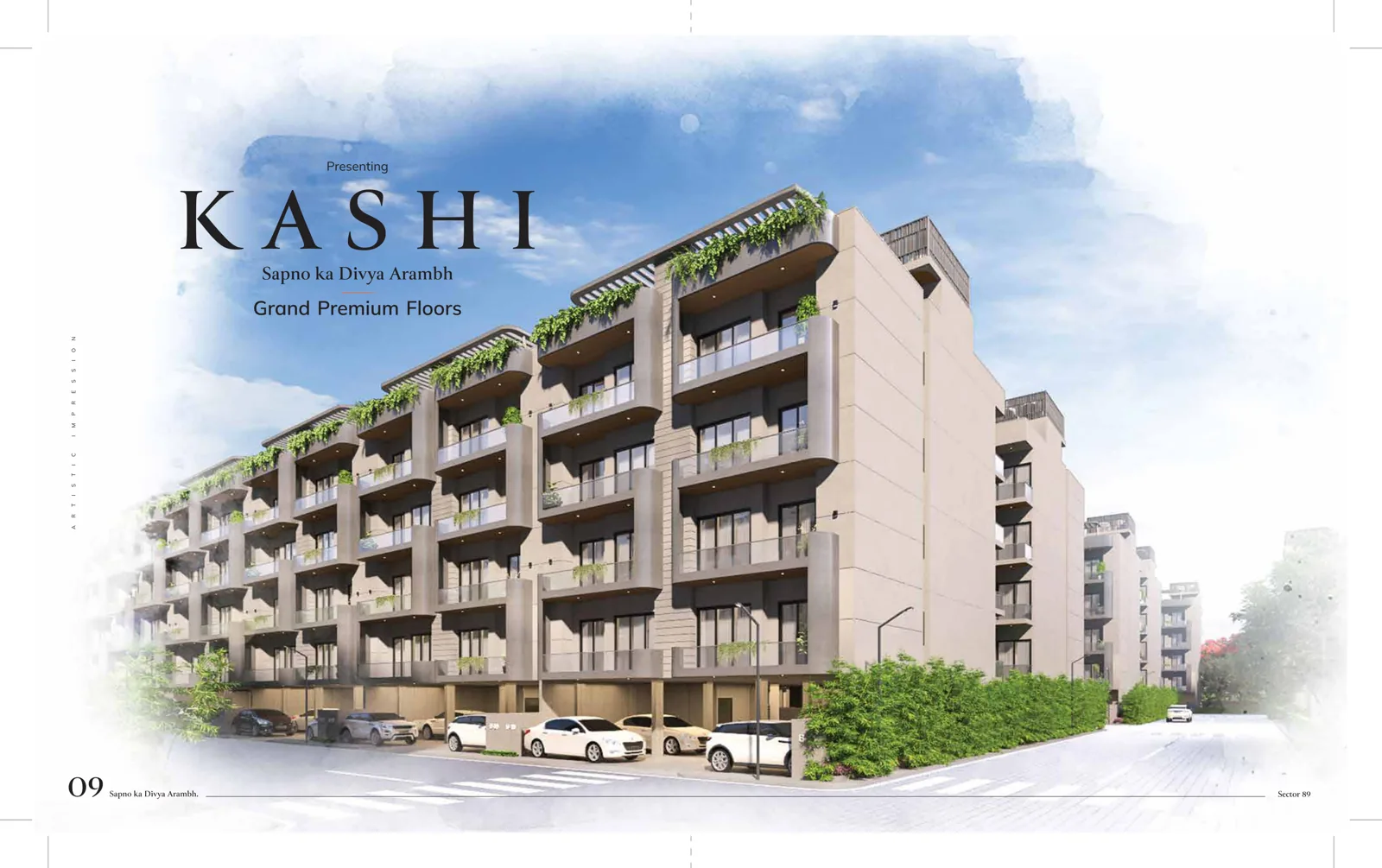
New Launch
For SaleSector 89 · Gurugram
Kashi - Grand Premium Floors
Independent / Premium Floors · Ganga Realty
Price on request
Own UseLong-Term Investment
View Details
A builder floor is a single independent residence occupying one whole floor of a low-rise block, typically built by a small developer on a plot in an established colony or licensed group-housing pocket. It offers the privacy and space of an independent home with fewer shared walls and neighbours than a high-rise apartment — but the legal and structural diligence is different, and often more involved, than buying in a large RERA-registered tower. This guide explains what genuinely matters before you commit.
Independent / Premium Floors · Ganga Realty
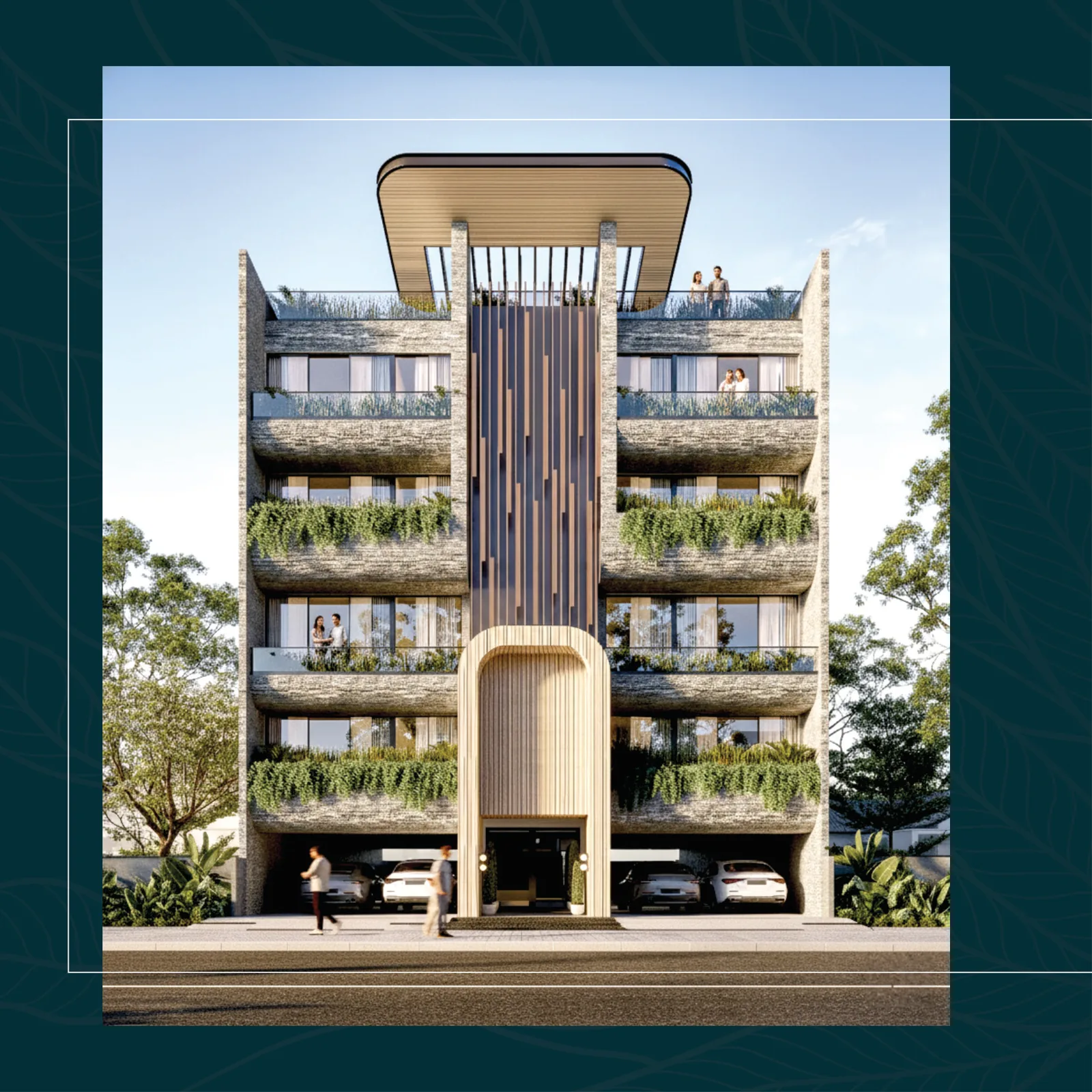
Low-Rise Independent Floors · EON7 Developers
A flat in a tower is one unit among many sharing common areas, lifts and a society structure, usually within a single RERA-registered project. A builder floor is one independent residence taking up a whole floor of a small low-rise block — typically two to four units in total — usually built on an individual plot. You generally get more privacy and space and fewer neighbours, but ownership rests on the plot's title and the sanctioned plan rather than on a large project's standardised paperwork, so diligence is more individual.
It depends on the size of the project and the plot. RERA registration is triggered by thresholds in the Real Estate (Regulation and Development) Act, 2016 and the relevant state rules, and many small independent builder floors fall below them and may not be registered. Never assume registration either way — check the official state RERA portal (Haryana RERA for Gurugram, Delhi RERA for Delhi) for the specific project rather than relying on a seller's claim.
Typically you own your specific floor together with a proportionate undivided share in the underlying land, plus defined rights to common access such as the staircase. The precise split of land share, parking, terrace and roof rights should be spelled out in the sale deed and any agreement. Read these carefully — two buyers on different floors of the same block can have quite different rights, and ambiguity here is a frequent source of later disputes.
An Occupancy/Completion Certificate is the local authority's confirmation that the building was completed as sanctioned and is fit for use. Many independent builder floors are sold without one. Its absence can affect home-loan eligibility, complicate future regularisation, and signal that construction may deviate from the approved plan. Where the local body issues such a certificate, ask for it; where it does not, lean harder on the sanctioned plan, structural checks and a lawyer's review.
Yes. Confirm how many floors the sanctioned plan permits and whether any were built beyond it, since unauthorised construction can attract penalties or demolition orders that affect the whole structure. Also clarify in writing whether the builder or top-floor owner retains rights to construct further or use the terrace. Getting both the sanction position and future-construction rights documented protects you from surprises after possession.
This page is general guidance for builder floors and is not legal, financial or investment advice. Project availability, pricing, carpet/super area, approvals, RERA status, taxes and legal position must be independently verified before any transaction.
Share your city, budget and intent. Blue Vistas will shortlist and verify serious options worth your time.