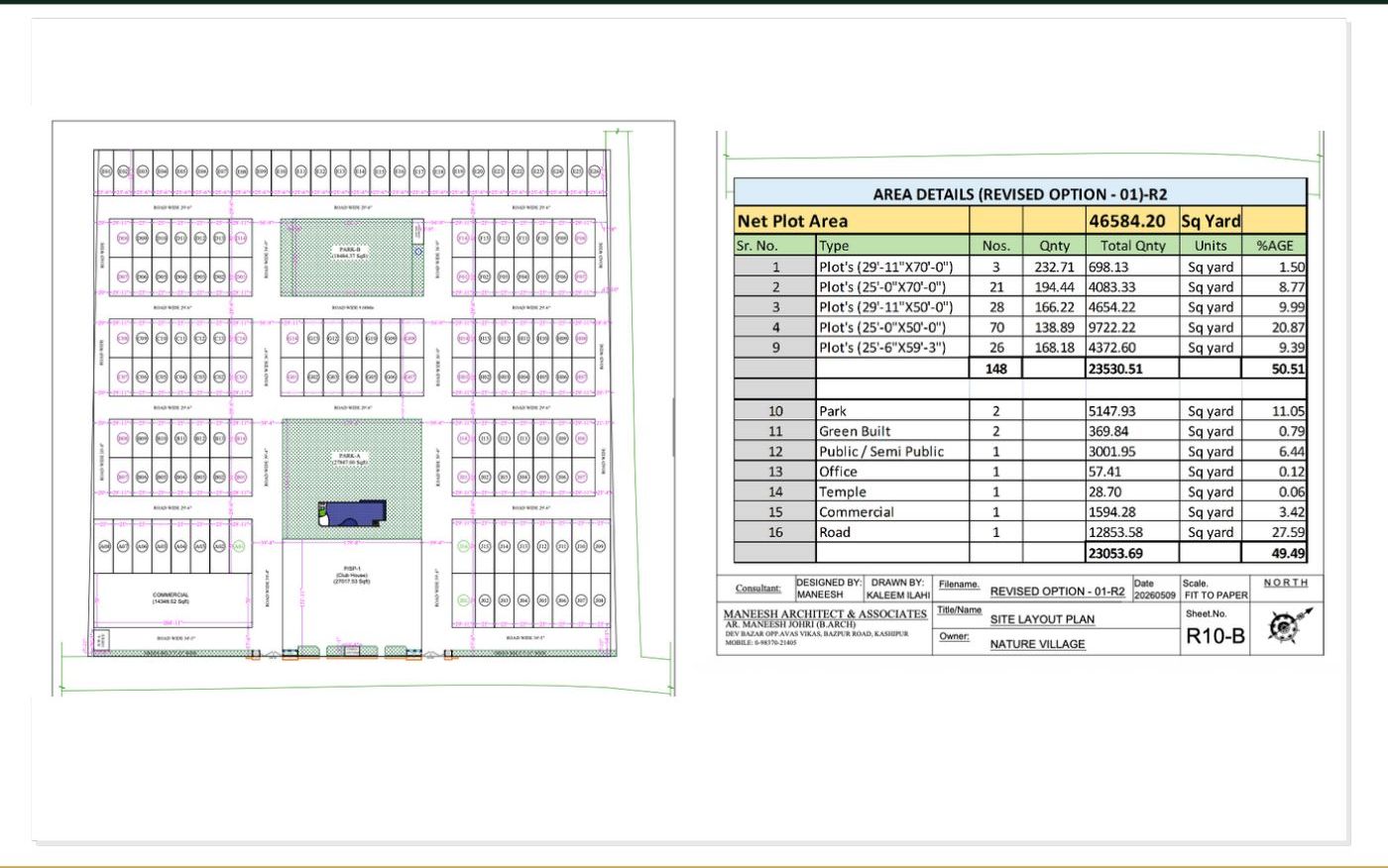
New Launch
For SaleKilawali, Maldhan Road · Kashipur
Nature's Village, Jim Corbett
Residential Villa Plots · Amaatra Group (Pundrikaksh Industries Private Limited)
₹31,990 per sq. yard (basic) — onwards
Own UseLong-Term Investment
View Details
A villa is one of the few residential assets where you typically own both the land and the structure on it — which makes the land title, not just the building, the heart of the purchase. Whether it's an independent house on a standalone plot or a row house inside a gated community, the questions that protect you are different from those for an apartment. This guide sets out how to read a villa purchase clearly, and what to insist on before you commit.
Residential Villa Plots · Amaatra Group (Pundrikaksh Industries Private Limited)
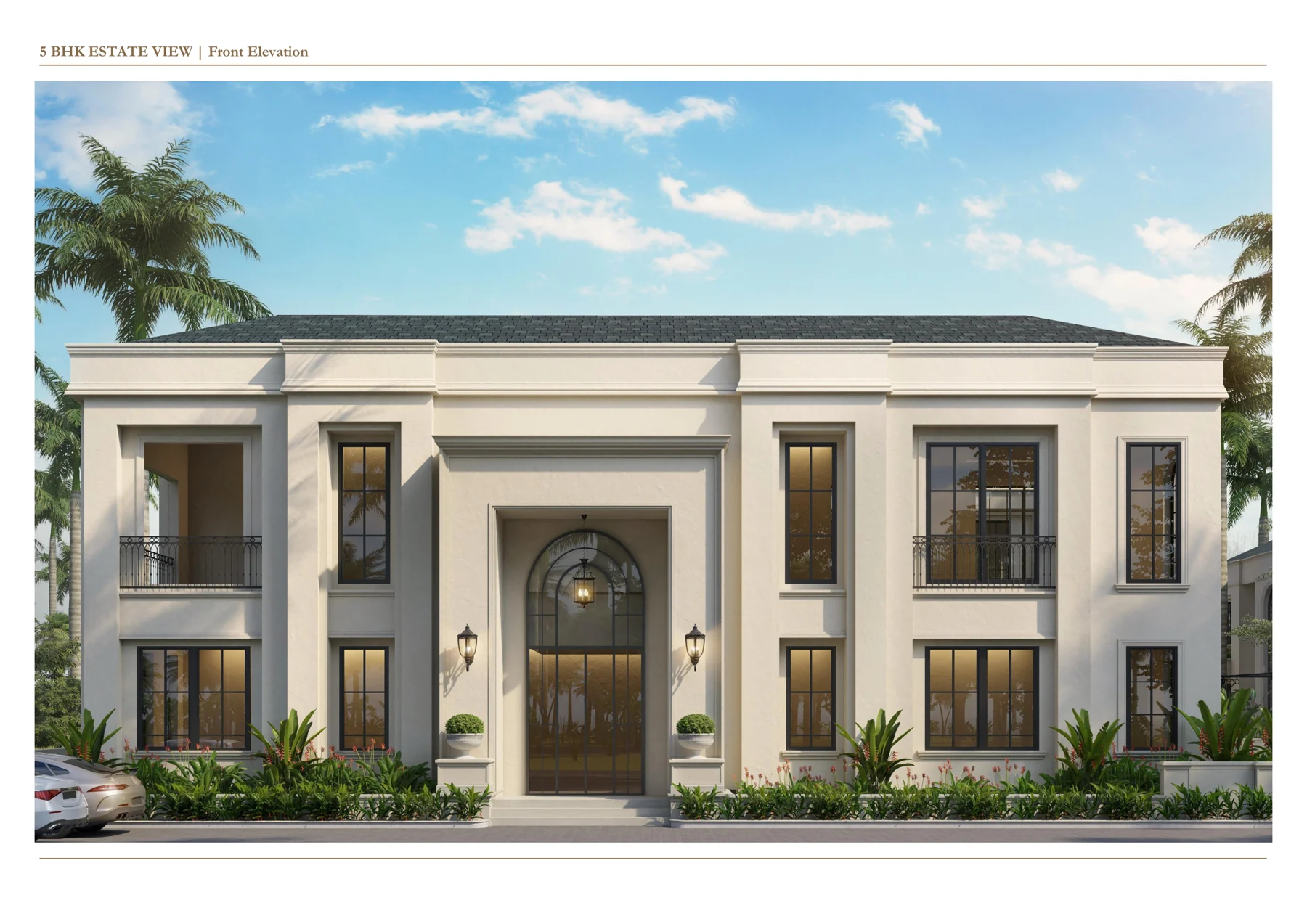
Villa · Tirasya Estates
In most independent villas and row houses you own both the demarcated land (the plot) and the structure built on it — which is a key difference from an apartment, where you own the flat plus an undivided share of common land. The exact ownership depends on how the project is structured: some gated communities convey full freehold land to each owner, while others may involve a sub-lease or a different arrangement. Always read the actual deed and confirm what is being transferred — land plus structure, the extent of the plot, and any shared rights in common areas — rather than assuming.
Generally, where a promoter is developing and selling villas as a project above the size thresholds set under the RERA Act, 2016, the project requires registration with the relevant state RERA authority, and you can check the registered layout, carpet areas, approvals and timelines on the state RERA portal. Registration requirements and thresholds vary by state and depend on factors like project size and whether construction is ongoing. A resale of a single completed villa between private owners is a different situation. The safe approach is to check the state RERA portal for any project still being developed by a promoter, and not to rely on a registration claim without verifying the number yourself.
The OC is the local authority's confirmation that the building was constructed in line with the sanctioned plan and is fit for occupation. For a villa, it signals that the structure isn't unauthorised — which matters for utility connections, future resale, loans and protection from enforcement action. If a villa is offered without an OC, treat it as a question to resolve before you proceed: understand why it's missing, whether there is unauthorised construction beyond the sanctioned plan, and what it would take to regularise. This is something to confirm in writing rather than accept verbally.
With a ready villa you're verifying both the land title and the existing structure — sanctioned plan, OC/CC, and that the construction matches what was approved. With a bare plot, the structure doesn't exist yet, so your focus shifts to land use and zoning (is it validly residential, or does it need conversion/CLU?), the permissible FAR/FSI and setbacks, and the approvals you'll need before construction. Both routes start from the same foundation — a clean, marketable title — but the building-related checks differ. We help buyers map exactly which checks apply to their specific case before any commitment.
Villas typically carry higher upkeep — an independent structure, garden, security and repairs are your responsibility, and gated communities add recurring common-area maintenance charges. Resale liquidity depends heavily on location, the quality of title and approvals, and local demand, so it varies from market to market. We don't make promises about appreciation or yields; what we do is help you weigh the genuine trade-offs — privacy, space and land ownership against cost and effort — and verify that the paperwork is clean so that, if and when you do sell, the title supports a straightforward transaction.
This page is general guidance for villas and is not legal, financial or investment advice. Project availability, pricing, carpet/super area, approvals, RERA status, taxes and legal position must be independently verified before any transaction.
Share your city, budget and intent. Blue Vistas will shortlist and verify serious options worth your time.