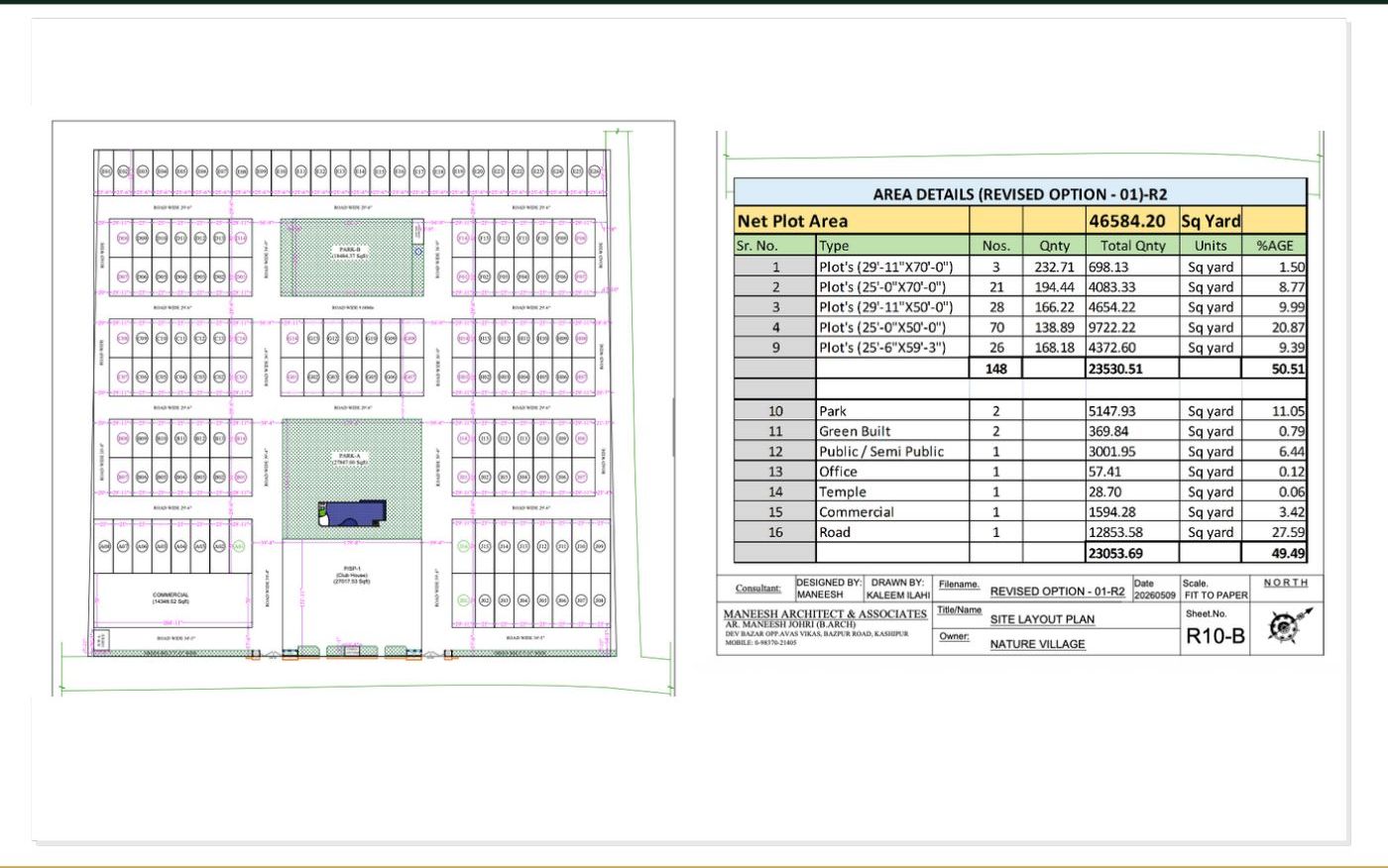
New Launch
For SaleKilawali, Maldhan Road · Kashipur
Nature's Village, Jim Corbett
Residential Villa Plots · Amaatra Group (Pundrikaksh Industries Private Limited)
₹31,990 per sq. yard (basic) — onwards
Own UseLong-Term Investment
View Details
A plot is land you buy now and build on later — which means the value sits almost entirely in the title, the approvals and the location, not in any structure you can walk through. Plots reward patient buyers who verify carefully, because the same paperwork that makes land safe to build on is exactly what gets glossed over in a quick sale. This page explains what a residential plot actually is, who it suits, and the document-level checks that separate a clean, buildable plot from one that will stall at the sanction stage.
Residential Villa Plots · Amaatra Group (Pundrikaksh Industries Private Limited)
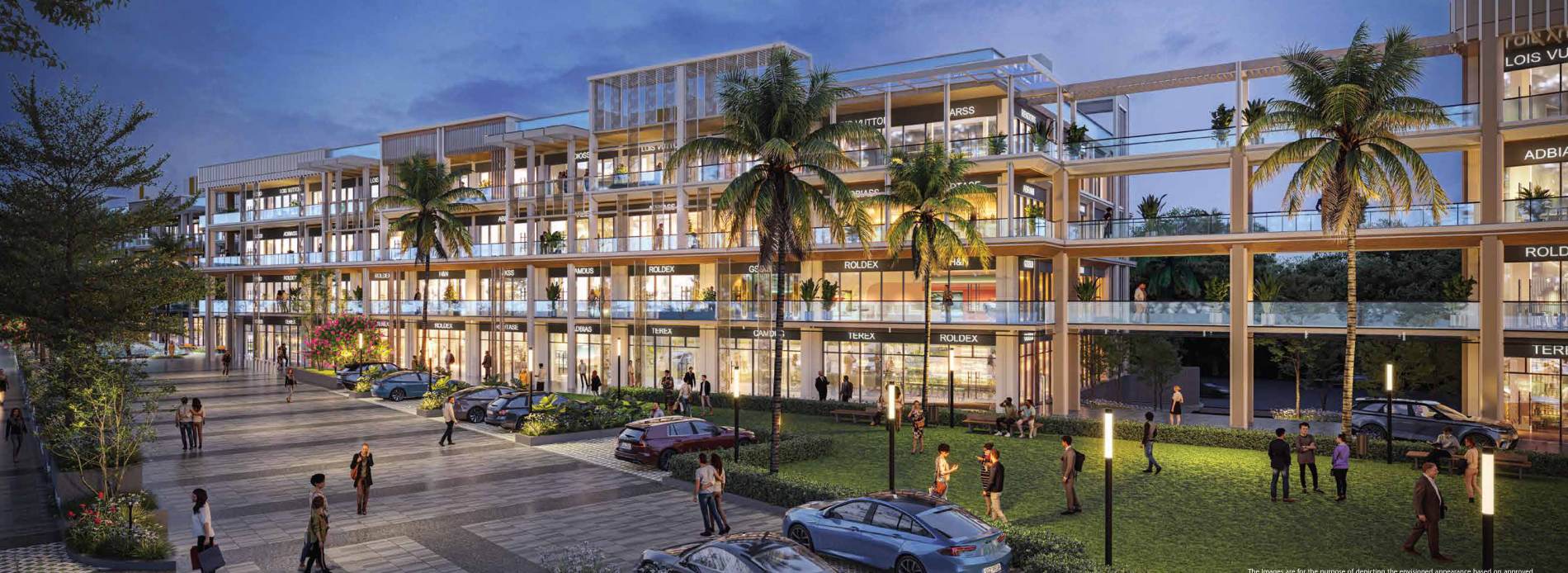
SCO Plots (Shop-Cum-Office) · Reach

Industrial / Innovation Park (plotted and built-up business spaces) · M3M
A residential plot is land the master or development plan earmarks for housing, so it can be built on once normal building approvals are obtained. Agricultural land cannot be used for a home until it goes through a formal Change of Land Use (conversion) process with the competent authority. Buying agricultural land on the assumption it will 'easily convert' is a common trap — conversion is not guaranteed, can take time, and until the order is granted you legally hold farmland, not a building plot.
It can. RERA's coverage extends to plotted development where a project is marketed and falls within the size and registration thresholds set by the state. Where it applies, the layout should be registered on the state RERA portal and the plot you are buying should sit within that registered project. A standalone resale of a single old plot may not be a RERA project, so don't assume registration exists or that its absence is automatically a red flag — check the specific case rather than relying on the label.
A sanctioned layout is the plan the local authority or town-and-country-planning department has formally approved, fixing plot numbers, sizes, roads, open spaces and utility corridors. To confirm your plot, match its number and dimensions on the sanctioned layout (not a brochure), check it against revenue records, and have it physically demarcated on site. If the on-ground boundaries, the layout and the title papers don't agree, treat that as something to resolve before — not after — you commit.
Vacant land still carries property/land tax and any pending development charges, and it needs active upkeep — boundary protection, periodic checking for encroachment, and clearing of overgrowth. It generates no rental income until you build, and it is generally less liquid than a ready home, so resale can take longer. Budget for holding costs and for the construction approvals and build itself when you plan your timeline.
Lenders do offer plot or land loans, but they are typically treated differently from home loans — often with a different loan-to-value ratio, tenure and, in some cases, a condition that you begin construction within a set period. Approval depends heavily on clean title, approved layout and clear land use. We can't quote rates or terms, and they vary by lender and borrower; speak to your bank directly and confirm the specific conditions before you rely on financing to close.
This page is general guidance for plots and is not legal, financial or investment advice. Project availability, pricing, carpet/super area, approvals, RERA status, taxes and legal position must be independently verified before any transaction.
Share your city, budget and intent. Blue Vistas will shortlist and verify serious options worth your time.