Skip to content
Blue VistasReal Estate Advisory
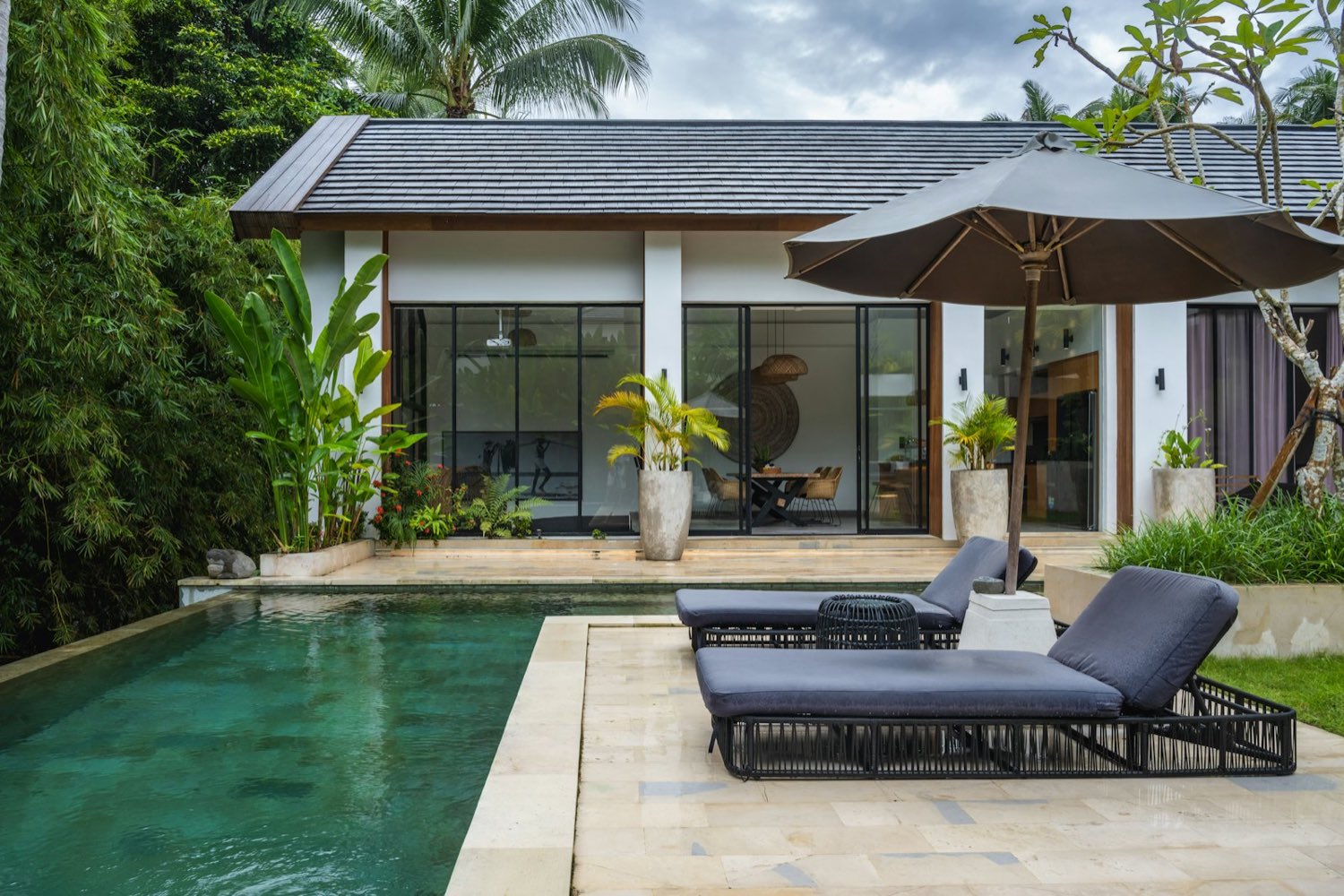
A tropical villa with a plunge pool and lush garden — holiday-home and second-home advisory
Property type

Holiday Homes: Buying a Vacation Property in India the Right Way

A holiday home is a property you buy to use yourself for a few weeks a year — a Goa villa, a Mussoorie cottage, a lakeside apartment near Ramnagar — and often leave in someone else's hands the rest of the time. The economics and the everyday reality of a holiday home differ sharply from a primary residence: occupancy is seasonal, upkeep happens at a distance, and rental income (where allowed) is uneven and management-heavy. This guide walks through how to think about usage, rental, maintenance and legal diligence before you commit.

Who this suits

  • Buyers who genuinely want regular personal use of a leisure destination and value having a familiar base over hotel stays
  • Families seeking a recurring annual retreat — hills, beach or lakeside — within comfortable travel distance of their home city
  • Owners comfortable with remote upkeep, periodic visits and paying for management when they aren't there
  • Buyers who treat any rental income as a partial offset to running costs, not as a reliable yield or the reason to buy
  • People who understand that holiday-property values and occupancy are tied to tourism cycles and can be slow to liquidate

What to verify

  • Land use and zoning: confirm the plot is approved for residential/tourism use and not on agricultural, forest, CRZ or otherwise restricted land — this is especially important for beachfront Goa and hill-station plots
  • Coastal Regulation Zone (CRZ) status for any property near the Goa coastline or backwaters, and the corresponding setback and construction restrictions
  • Hill-state restrictions: several Himalayan states limit purchase of land by non-domiciles or impose ceilings and permissions — verify your eligibility for Mussoorie/Dehradun or Ramnagar (Uttarakhand) before paying anything
  • RERA registration of the project if it is an under-construction or recently launched development, and the promised completion and handover terms
  • Occupancy Certificate (OC) and Completion Certificate (CC) for ready units, plus sanctioned building plan and approved layout
  • Whether the developer or a third party offers a rental/management arrangement, and the exact written terms — fees, your guaranteed access dates, and who bears maintenance
  • Realistic, year-round running costs: maintenance/CAM, society charges, caretaker, security, electricity standing charges, property tax and insurance — most of which continue whether or not you visit
  • Water, power reliability and access road condition, particularly for standalone villas and hill or forest-fringe locations where infrastructure is thin

Common mistakes to avoid

  • Buying on the strength of one good holiday and an emotional weekend, without seeing the property in the off-season or at night
  • Treating projected rental income as assured — occupancy is seasonal, platforms take a cut, and a poorly managed unit can sit empty for months
  • Underestimating the cost and friction of remote maintenance: caretakers, pest and damp control, deep cleaning and repairs add up even when the home is unused
  • Ignoring CRZ rules near the coast or land-purchase restrictions in hill states, only to discover the title or construction cannot be regularised
  • Assuming a developer's 'assured stay / managed villa' programme is permanent — read the lock-in, exit and renewal terms, and what happens if the operator walks away
  • Skipping title and encumbrance diligence on resale or 'distress' holiday plots, where ownership chains and conversion approvals are often murkier than in mainstream city projects

Documents & approvals to check

  • Title deed and a 30-year title chain, with an encumbrance certificate confirming the property is free of mortgages, liens or disputes
  • Approved layout/sanctioned building plan, and land-conversion or CLU order where the plot was originally agricultural
  • Occupancy and Completion Certificates for ready homes; RERA registration details and the registered agreement for under-construction units
  • CRZ clearance or confirmation of CRZ status for coastal properties, and any tourism-zone or special-area permissions that apply
  • Property tax receipts, latest utility bills and (for apartments/managed communities) the society or maintenance dues statement showing no arrears
  • The written rental-management or hospitality-operator agreement, if any, including fee structure, owner-use blackout/booking rules and termination clause
  • Khata/mutation records in the seller's name and a no-objection certificate from the society or association where applicable

Related opportunities

Frequently asked questions

Can I rent out my holiday home when I'm not using it, and will it cover the costs?

In many cases yes — short-stay rental through an operator or platform is common in Goa and the hills — but treat it as a partial offset to running costs, not a yield you can bank on. Occupancy is highly seasonal, the operator or platform takes a meaningful cut, and a vacant or badly managed property still incurs maintenance, caretaker, tax and society charges year-round. Confirm in writing what management will actually cost, and check whether the local body or society permits short-term letting at all.

Should I buy through a developer's 'managed villa' or 'assured stay' programme?

These can genuinely simplify upkeep and bookings, but read the contract carefully rather than the brochure. Look at the management fee, how your own usage dates are protected, the lock-in period, renewal terms, and — crucially — what happens to your home and any promised arrangement if the operator exits or the programme is wound down. Be cautious of any language promising fixed or 'assured' returns; income from a holiday let is inherently variable.

Are there restrictions on buying property in hill states like Uttarakhand?

Yes, and they matter. Several Himalayan states regulate or restrict land purchase by people who aren't domiciled there, sometimes with ceilings on plot size or requirements for government permission — Uttarakhand (covering Mussoorie, Dehradun and Ramnagar) has tightened such rules. Verify your specific eligibility and the permissions a given plot needs before paying any token, ideally with a local property lawyer, as buying without the right approvals can leave the title unmarketable.

What's the CRZ issue I keep hearing about for Goa beach properties?

The Coastal Regulation Zone notification controls construction within defined distances of the high-tide line to protect the coast. Depending on the zone, building may be heavily restricted or prohibited, and structures built in violation can face demolition or be impossible to regularise. For any property near the Goa coastline or backwaters, confirm the CRZ classification, the applicable setback, and that the existing construction is compliant before you proceed.

How is buying a holiday home different from buying my primary home?

Three things change. First, you use it occasionally, so the cost-per-night-actually-used is high once you factor in year-round upkeep. Second, almost everything happens remotely — maintenance, security, guest turnover — which means paying for people you trust at a distance. Third, holiday property is closely tied to tourism cycles, so values and demand can be more volatile and resale can take longer. Buy primarily because you want to use and enjoy it, not as a substitute for a financial investment.

This page is general guidance for holiday homes and is not legal, financial or investment advice. Project availability, pricing, carpet/super area, approvals, RERA status, taxes and legal position must be independently verified before any transaction.

Speak to an advisor

Considering holiday homes? Compare options with clarity.

Share your city, budget and intent. Blue Vistas will shortlist and verify serious options worth your time.