Skip to content
Blue VistasReal Estate Advisory
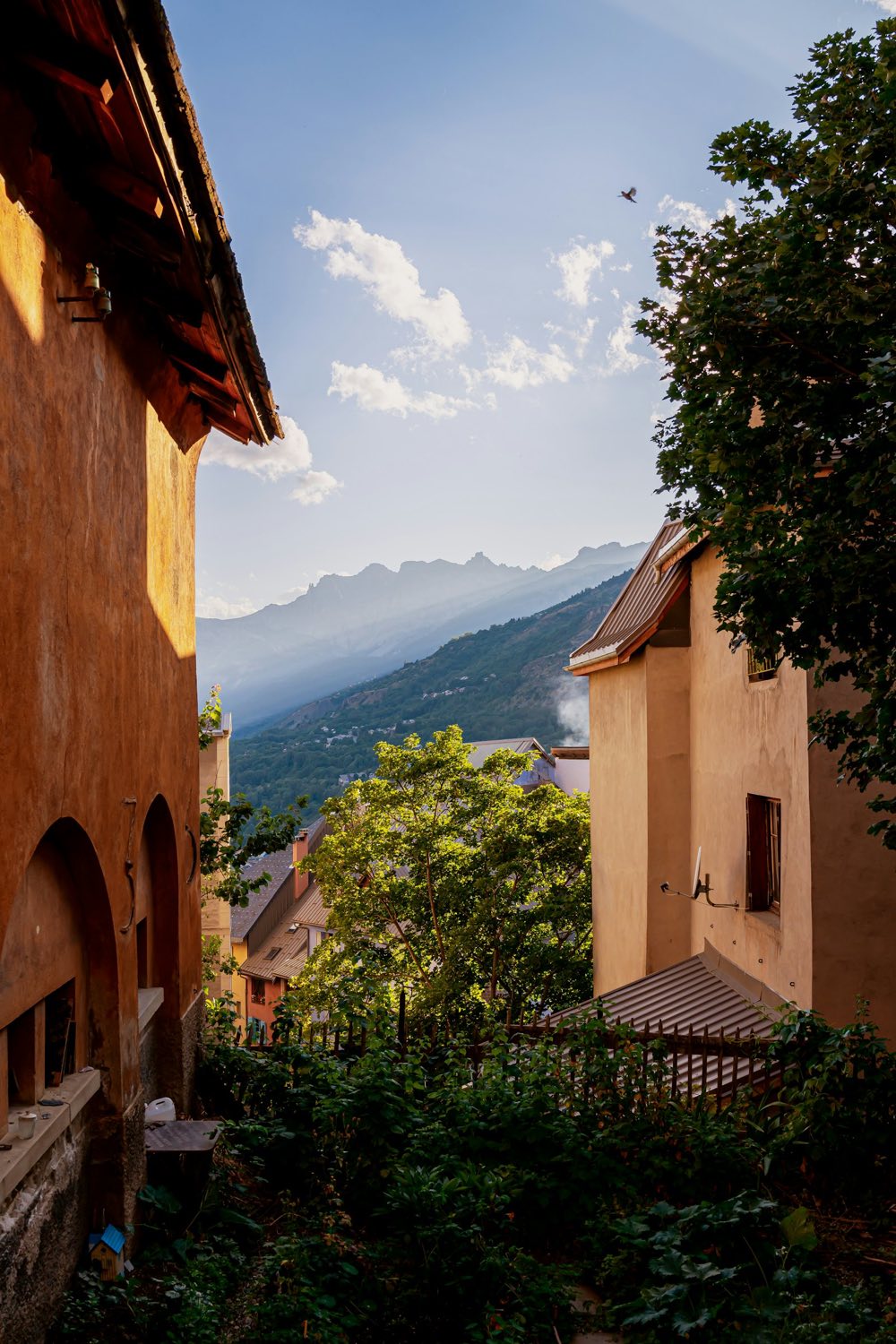
A warm golden-hour view from a hillside home toward misty mountains — mountain second-home advisory
Property type

Second Homes: Buying a Hill-Station or Getaway Property to Keep

A second home is a property you buy primarily to use yourself — a place in the hills or near a getaway town that you return to, rather than a unit bought mainly to let out. The decision is less about a headline price and more about honest questions: how often will you really reach it, who looks after it when you are away, and is the title and land-use clean enough to hold comfortably for years. This page walks through what to check before you commit, the mistakes buyers most often make, and the documents worth insisting on.

Who this suits

  • Buyers who genuinely want to use the home themselves — weekends, summers, festivals — rather than chase a rental return
  • Families wanting a familiar base in a hill or pilgrimage town they already visit regularly (Mussoorie, Dehradun, Ramnagar, Vrindavan, Goa)
  • Long-horizon owners comfortable holding a property for many years and absorbing carrying costs in the quiet months
  • People with a realistic plan for upkeep — a local caretaker, a managing agent, or a trusted contact nearby
  • Buyers who value lifestyle, climate and proximity to a place they love over maximising yield

What to verify

  • All-season road access and the last-mile approach: is the final stretch motorable in monsoon and winter, and is the access road a recorded public right-of-way rather than an informal track over someone else's land
  • Land classification and hill-state ownership rules — several hill states restrict purchase of agricultural land by non-agriculturists or outsiders, and conversion/land-use permission may be needed before any residential use
  • Water source and reliability (municipal supply, tanker dependence, borewell or natural spring) and how it holds up in peak season and dry months
  • Slope stability, drainage and any history of landslides, subsidence or flooding for hillside or riverside plots
  • Sanctioned building plan and, for built homes, the completion/occupancy certificate — confirm the structure matches what was approved
  • Electricity connection, backup during outages, and mobile/internet coverage at the actual site, not just the town
  • For apartments or gated projects, whether the project is registered under RERA where applicable, and the status of common-area maintenance
  • Realistic year-round upkeep: who maintains the property in your absence, what it costs, and how security is handled when the home sits empty

Common mistakes to avoid

  • Buying on a perfect-weather visit and never seeing the access road or water situation in monsoon or peak winter
  • Underestimating ongoing carrying costs — caretaker, repairs, property tax, society dues and travel — which continue whether or not you visit
  • Assuming a non-agriculturist can freely buy agricultural or hill land; ignoring state-specific restrictions and conversion requirements
  • Treating projected rental or holiday-let income as a reason to buy, when the home will mostly sit for personal use
  • Skipping an independent title and encumbrance check because the seller or a familiar contact 'vouches' for the land
  • Not budgeting for the home being unused and unwatched for long stretches — empty hill homes attract damp, pests, encroachment and theft without active care

Documents & approvals to check

  • Title deed and a clear chain of ownership going back several years, verified independently
  • Encumbrance certificate confirming the property is free of undisclosed loans, liens or charges
  • Mutation/revenue records (khasra/khatauni or jamabandi as applicable) and the land-use classification on record
  • Sanctioned building plan and, for completed homes, the completion/occupancy certificate
  • Conversion or land-use change (CLU) order where agricultural or non-residential land is involved
  • Latest property-tax receipts and any society/maintenance dues cleared up to date
  • Documented, legally recorded access right to the property, and for apartments the project's RERA registration where it applies

Related opportunities

Frequently asked questions

What's the real difference between a second home and a holiday home?

In practice the terms overlap, but the intent differs. A holiday home is usually bought with letting or short-stay use in mind, so income and occupancy drive the decision. A second home is bought mainly for your own use — a place you keep and return to. That changes what matters: for a second home, weight access, year-round upkeep, climate suitability and clean title far more heavily than any rental projection.

Can anyone buy land in a hill state like Uttarakhand for a second home?

Not always freely. Several hill states place restrictions on the purchase of agricultural land by non-agriculturists or by people from outside the state, and limits can apply to plot size and intended use. Built homes and units in approved residential or RERA-registered projects are generally more straightforward than raw agricultural land. Always confirm the current state rules and whether a land-use conversion is needed before committing — this is worth checking with a local property lawyer, not assuming.

How should I think about upkeep for a home that sits empty most of the year?

Plan for it as a fixed, ongoing cost rather than an afterthought. Empty hill and riverside homes are vulnerable to damp, pests, garden overgrowth, minor encroachment and theft. Most owners arrange a local caretaker or a managing agent for routine checks, cleaning before visits, bill payments and security. Budget for this every month, factor in repairs after monsoon, and keep a trusted local contact who can respond quickly if something goes wrong.

Is a second home a good investment?

We don't make return or appreciation claims, and you shouldn't buy a second home expecting guaranteed gains. Treat it first as a lifestyle decision — a place you will genuinely use. Any change in its value over a long holding period depends on location, access, infrastructure and broader market conditions, none of which can be promised. If your primary goal is financial return rather than use, a second home is usually the wrong vehicle for it.

What should I check about access before buying a hillside property?

See the property in poor weather if you can, or speak to neighbours about the monsoon and winter approach. Confirm the final stretch is motorable year-round and that the access road is a recorded public right-of-way, not an informal path crossing a neighbour's land that could be closed off later. Access that exists only in fair weather, or only by the goodwill of an adjoining owner, is a genuine risk for a home you intend to hold for years.

This page is general guidance for second homes and is not legal, financial or investment advice. Project availability, pricing, carpet/super area, approvals, RERA status, taxes and legal position must be independently verified before any transaction.

Speak to an advisor

Considering second homes? Compare options with clarity.

Share your city, budget and intent. Blue Vistas will shortlist and verify serious options worth your time.